

In a world obsessed with low-carb diets and gluten-free fads, whole grains have sometimes gotten a bad rap. But these humble foods are far from a dietary villain. In fact, they are one of the most powerful and accessible sources of nutrition, offering a wide range of benefits that can transform your health.
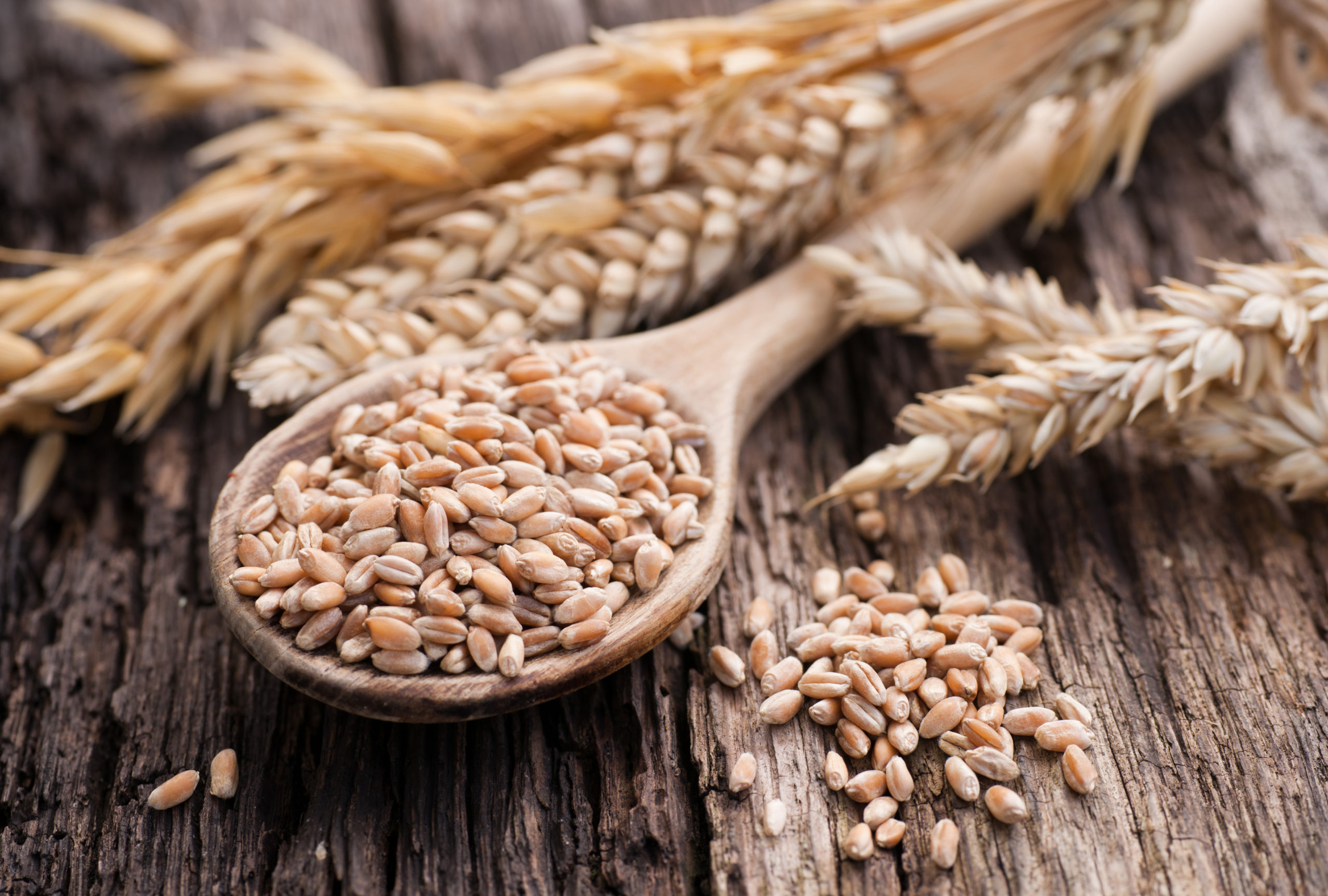
Unlike refined grains, which have been stripped of their most nutritious parts, whole grains contain the entire grain kernel—the bran, germ, and endosperm. This simple difference makes all the difference in the world. This article will explore the profound health benefits of making the switch to whole grains and show you why they deserve a central place in your diet.
The Nutritional Powerhouse: What Makes Whole Grains So Special?
The secret to a whole grain’s power lies in its complete structure. Each part of the grain serves a vital purpose:
- The Bran: This is the hard outer layer of the grain. It’s packed with fiber, B vitamins, and antioxidants. It’s what gives whole-wheat bread its chewy texture and dark color.
- The Germ: This is the embryo of the grain, the part that sprouts into a new plant. It’s a concentrated source of healthy fats, protein, B vitamins, and Vitamin E.
- The Endosperm: This is the largest part of the grain, containing starchy carbohydrates, protein, and small amounts of vitamins and minerals. Refined grains are made almost exclusively from the endosperm.
When you eat refined grains, you’re missing out on the bran and germ, which contain the majority of the grain’s nutrients. By choosing whole grains, you get the complete nutritional package.
The Life-Changing Health Benefits
Making a simple switch from refined to whole grains can have a remarkable impact on your health, both short-term and long-term.
- Reduces the Risk of Heart Disease: This is one of the most well-documented benefits. The fiber, antioxidants, and minerals in whole grains, such as magnesium, work together to lower bad cholesterol (LDL) and blood pressure. Studies consistently show that a diet rich in whole grains is linked to a significantly lower risk of heart disease and stroke.
- Aids in Weight Management: The high fiber content of whole grains helps you feel full and satisfied for longer. This feeling of satiety can prevent overeating and help you manage your weight more effectively. Foods like oatmeal and quinoa provide sustained energy, unlike refined carbs that cause energy spikes and crashes.
- Improves Digestive Health: Fiber is a superstar for your digestive system. It adds bulk to your stool, preventing constipation, and acts as a prebiotic, feeding the beneficial bacteria in your gut. A healthy gut microbiome is crucial for overall health, from immune function to mental well-being.
- Helps Control Blood Sugar Levels: The fiber in whole grains slows down the absorption of sugar into your bloodstream. This prevents sharp spikes in blood sugar, which is particularly beneficial for people with diabetes or those at risk of developing the condition.
- Reduces Risk of Chronic Diseases: Regular consumption of whole grains has been linked to a lower risk of several chronic diseases, including Type 2 diabetes and certain types of cancer. The antioxidants and phytochemicals in the grains help protect your cells from damage.
Easy Ways to Incorporate Whole Grains
You don’t have to overhaul your entire diet overnight. Start with small, simple swaps:
- Switch to Whole-Wheat Bread: Replace your white bread with a 100% whole-wheat alternative.
- Upgrade Your Rice: Choose brown rice or wild rice instead of white rice.
- Add Whole Grains to Meals: Use oats in your morning smoothie or bake with whole-wheat flour. Try ancient grains like quinoa, bulgur, or farro as a side dish or in salads.
Conclusion: A Simple Choice for a Healthier Life
The science is clear: whole grains are a vital component of a healthy, balanced diet. By making a conscious effort to choose whole grains over refined ones, you are taking a simple yet powerful step toward better heart health, weight management, and disease prevention. So, the next time you’re at the grocery store, remember to look for the “whole grain” label. Your body will thank you for it.