

In a world dominated by convenience and packaged goods, the concept of “real food“ often gets lost. Real food is a return to basics: food in its most natural, unprocessed, or minimally altered state. It is the cornerstone of optimal health, providing your body with the genuine fuel it needs to thrive. Shifting your diet to focus on these whole, nutrient-dense ingredients is perhaps the single most effective step you can take toward a longer, healthier, and more energized life.
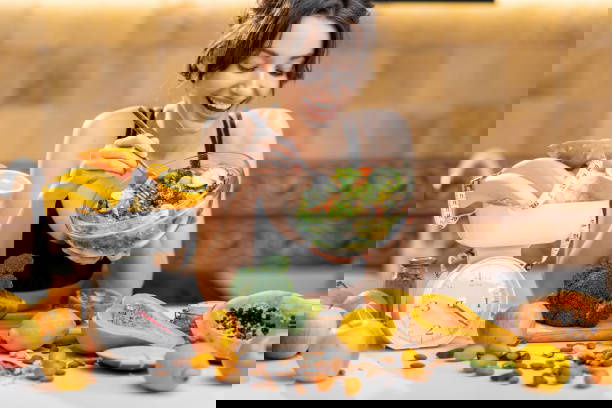
Defining “Real Food”: The Opposite of Ultra-Processed
What exactly qualifies as real food? Simply put, it’s anything that comes from the earth or is a product of nature, with few or no added ingredients that you wouldn’t find in your own kitchen.
The Spectrum of Food Processing
Understanding the difference between real food and highly processed food is crucial for making smart dietary choices.
- Unprocessed/Minimally Processed Foods (Real Food): These are foods that have been slightly altered without losing their core nutritional properties. Examples include fresh fruits and vegetables, whole grains, nuts, seeds, eggs, milk, fresh meat, and frozen vegetables (which are frozen for preservation). Their ingredient list is often just one item.
- Processed Foods: These involve combining real foods with culinary ingredients like salt, oil, or sugar for preservation or flavor. Examples include canned fish, salted nuts, or bread made with only basic ingredients.
- Ultra-Processed Foods: These are industrial formulations containing many ingredients rarely found in a home kitchen, such as high-fructose corn syrup, hydrogenated oils, artificial colors, flavor enhancers, and preservatives. Examples include packaged chips, soda, instant noodles, and most mass-produced snacks. These are the foods to limit most heavily.
The Unmatched Benefits of a Real Food Diet
The advantages of cutting out the excess salt, sugar, unhealthy fats, and artificial additives of ultra-processed foods are profound, impacting everything from your energy levels to your long-term disease risk.
1. Superior Nutrient Density
Real foods are naturally load with the essential vitamins, minerals, and compounds your body requires. When food is heavily process, many of these vital nutrients are strip out.
- Vitamins and Minerals: Fresh produce, like bell peppers and oranges, delivers a massive dose of Vitamin C. Eggs and liver are rich in choline, essential for brain health.
- Antioxidants and Phytochemicals: Real foods are pack with these protective compounds that fight inflammation and protect your cells from damage, which is key to preventing chronic disease.
2. Powerful Disease Prevention
A real food diet is a proven strategy for lowering your risk of major illnesses. Studies consistently link a diet rich in fruits, vegetables, and whole foods to better health outcomes.
Key Health Benefits:
- Heart Health: Real foods are rich in magnesium, Omega-3 fatty acids, and healthy fats that support circulation, lower bad cholesterol, and reduce inflammation—a primary driver of heart disease.
- Blood Sugar Management: Foods high in fiber and low in added sugar help manage blood glucose levels, significantly reducing the risk of Type 2 Diabetes and promoting stable energy.
- Cancer Risk Reduction: A balanced diet heavy in colorful fruits, vegetables, and legumes provides the antioxidants necessary to defend the body against certain cancers.
3. Improved Gut and Mental Health
Your gut and brain are intimately connected. Eating whole, fiber-rich foods naturally supports a healthier gut microbiome, which, in turn, can positively influence your mood.
- Gut Health: Real foods contain both soluble and insoluble fiber that aids digestion and feeds the beneficial bacteria in your gut.
- Sustainable Energy and Mood: Unlike the sugar-crash cycle caused by processed foods, real foods containing protein, fiber, and water keep you feeling fuller longer, sustaining your energy and helping you maintain better focus and a more balanced mood.
Simple Steps for a Smooth Transition to Real Food
Switching your entire diet overnight is challenging and often unsustainable. The most successful approach is a slow, phased transition that focuses on gradual replacement.
Practical Tips for “Realfooding”
- Start Small: Begin by adding one real food item to every meal. For breakfast, add berries to your oatmeal. For lunch, swap potato chips for a side of raw carrots or an apple.
- Shop the Perimeter: Most grocery stores place the least processed foods—produce, meat, dairy, and eggs—around the outside walls. Avoid the center aisles, which are typically lined with packaged, ultra-processed goods.
- Read the Labels (The 5-Ingredient Rule): If a packaged product has more than five ingredients, or if you don’t recognize or can’t pronounce the ingredients, put it back. Fewer ingredients mean less processing.
- Cut the Sugar Culprits: Focus on removing the biggest sources of refined sugar first, like soda, sweetened juices, and sugary breakfast cereals. Replace them with water, unsweetened tea, or naturally sweet fruit.
- Master the Cook: Learning just a few simple, whole-food recipes will dramatically reduce your reliance on pre-made meals. Batch cooking a healthy protein and whole grain on the weekend ensures you always have nourishing ingredients ready during the busy work week.
Embracing real food is a long-term lifestyle adventure, not a short-term diet. By consciously choosing minimally processed, nutrient-rich ingredients, you are investing directly in your long-term health, vitality, and well-being.