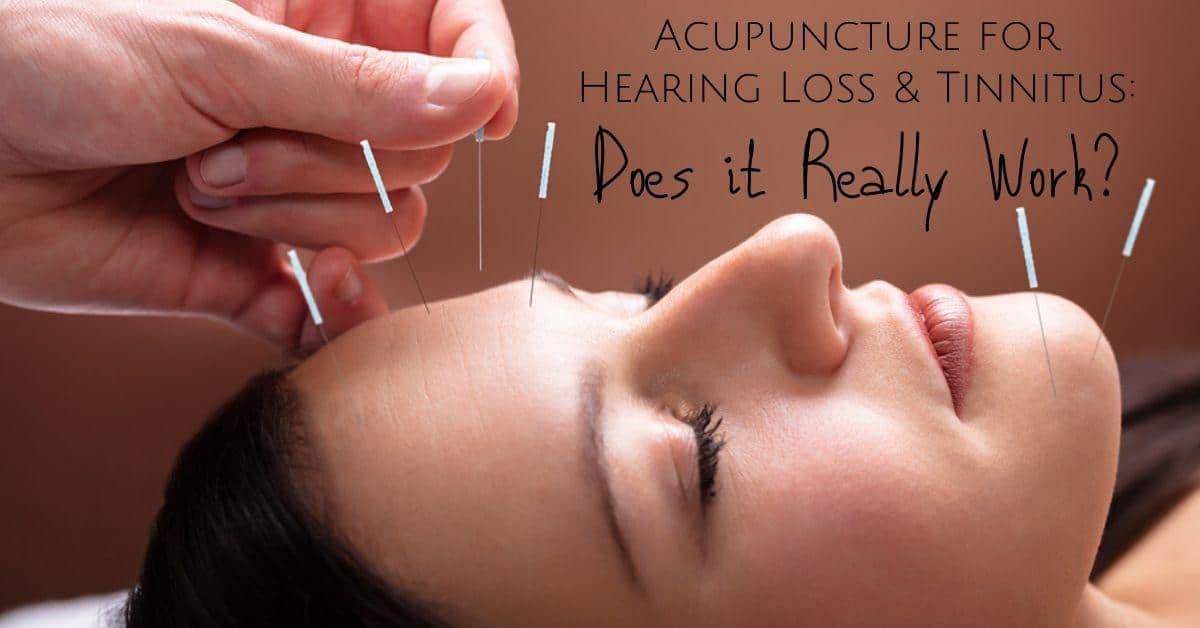
Acupuncture is a healing practice that has fascinated and intrigued people for centuries. Originating in traditional Chinese medicine (TCM), this ancient therapy is based on the belief that the body’s energy, or “qi” (pronounced “chi”), flows along pathways called meridians. When this energy is blocked or imbalanced, it can lead to illness and pain. Acupuncture aims to restore this balance by inserting ultra-fine needles into specific points along these meridians.
While the concept might sound foreign to some, a growing body of scientific research supports the effectiveness of acupuncture for a wide range of conditions. It’s no longer just a mystical practice from the East; it’s a respected form of complementary and alternative medicine. This guide will take you on a journey through the world of acupuncture, explaining its principles, benefits, and what you can expect from a session.
The Core Principle: A Holistic Approach to Wellness
Unlike Western medicine, which often focuses on treating symptoms, acupuncture takes a holistic approach. It views the body as an interconnected system, where physical, mental, and emotional health are all linked. An acupuncturist doesn’t just treat your back pain; they seek to understand the underlying cause, whether it’s related to stress, diet, or emotional blockages.
The placement of needles at specific acupuncture points is believed to stimulate the nervous system, release natural painkillers like endorphins, and increase blood flow. This process not only provides relief from a specific ailment but also promotes a deeper sense of balance and well-being.
What Can Acupuncture Treat?
While acupuncture is most famous for its use in pain management, its benefits extend to a wide variety of conditions. The World Health Organization (WHO) recognizes its efficacy in treating over 100 conditions.
- Chronic Pain: This is the most common reason people seek acupuncture. It’s highly effective for back pain, neck pain, migraines, headaches, and osteoarthritis.
- Stress and Anxiety: Acupuncture can have a powerful calming effect on the nervous system, making it an excellent therapy for stress, anxiety, and insomnia.
- Digestive Issues: From irritable bowel syndrome (IBS) to nausea, acupuncture can help regulate the digestive system and alleviate symptoms.
- Hormonal Imbalance: Many women use acupuncture to manage menstrual cramps, fertility issues, and menopausal symptoms.
- Allergies and Respiratory Issues: It can help reduce the symptoms of seasonal allergies and other respiratory conditions.
What to Expect from Your First Session
The idea of needles can make people nervous, but a first-time session is often a surprisingly relaxing experience.
- The Consultation: Your first appointment will begin with a detailed consultation. The acupuncturist will ask about your health history, lifestyle, diet, sleep habits, and emotional state. They will also look at your tongue and feel your pulse, as these are diagnostic tools in TCM.
- The Treatment: You will lie down comfortably on a treatment table. The acupuncturist will then insert the fine, sterile needles into specific points on your body. These needles are as thin as a hair, so insertion is usually painless. You might feel a dull ache, a slight tingling, or a warm sensation at the point, which indicates that the treatment is working.
- The Rest: Once all the needles are in place, you will be left to rest for 20 to 40 minutes. Many people find this part of the session incredibly relaxing and even fall asleep.
- Post-Treatment: After the needles are removed, you may feel a sense of calm, increased energy, or a reduction in your symptoms. It’s a good idea to take it easy and drink plenty of water after the session.
Conclusion: A Path to Balanced Health
Acupuncture is much more than a mystical ritual. It’s a sophisticated system of healing that works in harmony with your body’s natural processes. By addressing the root cause of ailments and promoting balance, it offers a path to long-term wellness. If you are struggling with a chronic condition or simply looking for a natural way to manage stress and improve your health, the world of acupuncture is definitely worth exploring.