Unlocking Holistic Wellness: Essential Tips for Exploring the Benefits of Acupuncture
In an era dominated by rapid technological advancements and pharmaceutical solutions, millions of individuals around the world are turning toward integrative health practices to achieve balanced wellness. Among these ancient traditions, acupuncture stands as one of the most thoroughly researched and widely respected modalities. Rooted in Traditional Chinese Medicine (TCM) for over two millennia, acupuncture involves the strategic insertion of ultra-fine needles into specific anatomical points on the body.
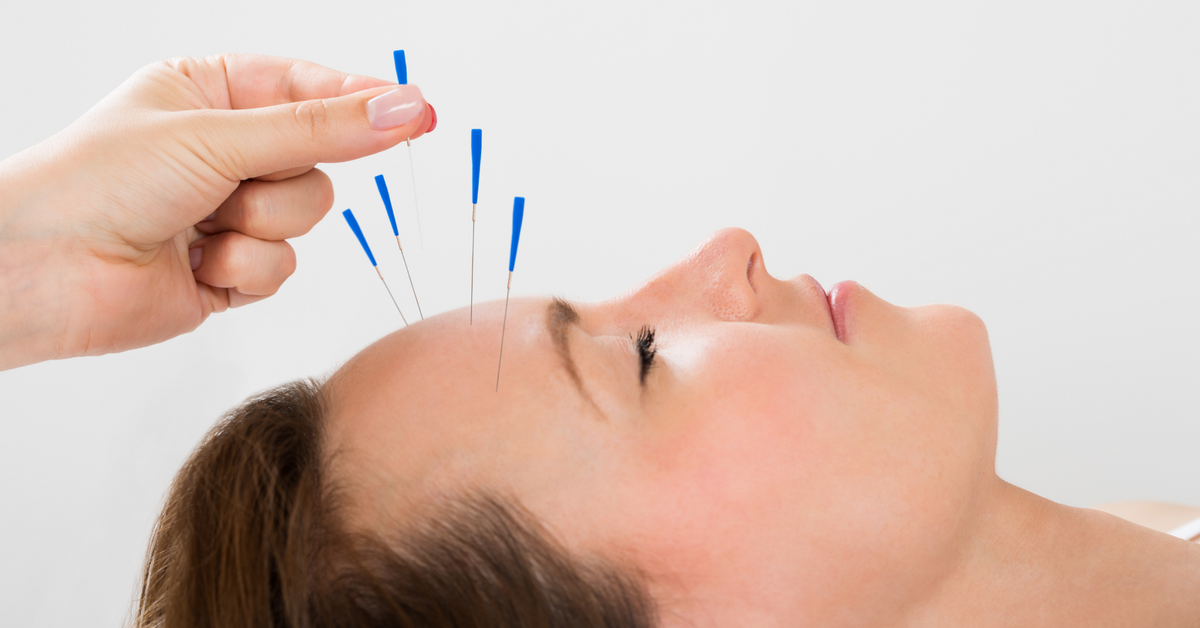
While historically viewed through the lens of balancing vital energy, modern physiological research confirms that acupuncture stimulates the nervous system, promotes vascular circulation, and releases natural pain-relieving chemicals like endorphins. However, fully realizing the restorative potential of this practice requires more than simply showing up to an appointment. Understanding how to navigate, prepare for, and optimize your treatment plan ensures a meaningful and transformative experience. Below are practical strategies to help you explore and maximize the benefits of acupuncture.
1. Define Your Specific Health Goals and Expectations
Acupuncture is not a one-size-fits-all therapy; it is a highly individualized approach to healthcare. Before scheduling your initial appointment, take time to clarify what you hope to achieve through treatment.
Acupuncture is commonly utilized for a wide spectrum of physical and emotional concerns, including:
- Chronic and Acute Pain Management: Addressing lower back pain, neck stiffness, osteoarthritis, tension headaches, and migraines.
- Stress and Emotional Balance: Regulating nervous system responses to alleviate anxiety, burnout, and insomnia.
- Digestive Harmony: Supporting conditions such as irritable bowel syndrome (IBS), chronic bloating, and acid reflux.
- Hormonal and Reproductive Health: Regulating menstrual cycles, managing menopausal symptoms, and supporting fertility protocols.
Having a clear understanding of your primary symptoms, triggers, and health goals allows your acupuncturist to design a customized treatment protocol tailored specifically to your body’s unique requirements.
2. Research and Choose a Licensed Practitioner
The efficacy and safety of your treatment depend significantly on the expertise of your practitioner. Finding a qualified professional requires careful research and credential verification.
In most jurisdictions, licensed acupuncturists must complete extensive graduate-level education, encompassing biomedical sciences, needle safety, and traditional diagnostic frameworks. Look for practitioners who hold credentials from recognized governing bodies, such as state licensing boards or national certification commissions.
When evaluating potential practitioners, consider their areas of specialization. Some acupuncturists focus exclusively on sports medicine and pain management, while others specialize in women’s health, mental well-being, or oncology support. Scheduling a brief preliminary consultation can help you assess their communication style, clinical environment, and general approach to care.
3. Prepare Mindfully for Your Treatment Sessions
How you prepare on the day of your session directly influences how your body responds to acupuncture. Small adjustments to your daily routine can enhance treatment comfort and overall efficacy.
- Eat a Light Meal: Never attend an acupuncture session on an empty stomach, as stimulation can occasionally cause mild lightheadedness or dizziness. Eat a balanced meal or light snack one to two hours before your appointment.
- Avoid Excessive Caffeine or Stimulants: Stimulants elevate heart rate and excite the nervous system, counteracting the deep relaxation response that acupuncture aims to induce.
- Wear Loose, Comfortable Clothing: Acupuncturists frequently access points on the lower legs, arms, abdomen, and back. Wearing loose-fitting, soft clothing allows easy access to these areas without requiring you to fully disrobe.
- Arrive Early to Unwind: Rushing into a clinic straight from a stressful commute or work deadline keeps your nervous system in a fight-or-flight state. Plan to arrive ten to fifteen minutes early to quiet your mind and settle into the space.
4. Embrace the Sensation and Maintain Open Communication
First-time patients often feel anxious about the needles used in acupuncture. However, acupuncture needles are solid, hair-thin, and vastly different from the hollow needles used for blood draws or injections.
When the needle reaches the correct tissue depth, you may experience a unique sensation known in TCM as De Qi. This feeling is often described as a mild ache, a dull heavy sensation, warmth, or a gentle tingling. These sensations are completely normal and indicate that the nervous system and circulation are actively responding to the stimulus. Sharp, shooting, or pinching pain, however, is not normal. Maintain transparent, open communication with your practitioner throughout the session so they can adjust needle placement for your total comfort.
5. Commit to a Consistent Treatment Plan and Post-Session Recovery
Acupuncture works through cumulative effect. While some individuals experience immediate relief after a single session, long-standing or chronic health conditions generally require a structured series of treatments over several weeks.
To maximize the longevity of your results, integrate these post-session recovery practices:
- Prioritize Rest: Allow your body time to process the treatment. Avoid strenuous workouts, heavy physical labor, or intense cognitive stress immediately following a session.
- Stay Hydrated: Drink plenty of room-temperature water throughout the day to support circulation and assist the body in clearing metabolic waste.
- Track Your Body’s Response: Pay attention to subtle shifts in your sleep quality, energy levels, mood, and symptom severity over the days following your visit. Keep a simple journal to share these insights with your practitioner during follow-up appointments.
Conclusion
Exploring acupuncture offers a powerful, low-risk doorway into holistic healing and functional wellness. By approaching the practice with clear health objectives, partnering with a qualified and licensed practitioner, preparing mindfully, and committing to a consistent care plan, you empower your body to activate its natural self-healing mechanisms. Whether utilized as a primary therapy for pain relief or as a complementary approach to modern medicine, acupuncture provides a refined, time-tested strategy for achieving physical vitality and long-term internal balance.